Time for Section 179 Tax Savings is Running Our for 2025, But It’s Not Too Late

Investing in forklifts, terminal tractors, container handlers and other material-handling equipment is a necessity for warehouse, manufacturing, distribution and port operations. But in 2025, thanks to favorable tax rules, such purchases can also deliver a powerful tax benefit right away: Section 179 expensing (plus bonus depreciation).

Below, we will explain:

  • What Section 179 is, in simple terms
  • How it applies specifically to forklifts and material-handling equipment
  • The 2025 limits and mechanics you need to be aware of
  • The benefits — and some cautions — of using Section 179 for forklift purchases

What Is Section 179?

Under U.S. tax law, “Section 179” is a provision that allows a business to deduct (i.e. “expense”) the cost of certain qualifying property in the year it is placed in service — rather than capitalizing the cost and writing it off gradually through depreciation over many years.

Ordinarily, most machinery or equipment would be subject to depreciation (for example, over 5 or 7 years, using the Modified Accelerated Cost Recovery System, MACRS). Section 179 lets you “front-load” that deduction, within limits, so you get more tax benefit right away.

Because the tax code also provides bonus depreciation (or “special depreciation allowances”), many businesses combine Section 179 and bonus depreciation to immediately write off 100% of the cost in the first year, provided certain rules are satisfied.

Why Forklifts, Terminal Tractors, Container Handlers and Material-Handling Equipment Qualify

Forklifts, lift trucks, warehouse racking, conveyors, loading dock equipment, terminal tractors, container handlers and similar material-handling machinery are generally tangible property used in business operations. Because they are “property used in a trade or business,” they often qualify for Section 179 expensing.

Key points:

  1. New or used are both eligible (if “new to you”)
    The equipment doesn’t necessarily need to be brand new — a used forklift may qualify, as long as it was not previously in your books and is used predominantly for business purposes.
  2. Business use requirement
    The forklift must be used more than 50% for business. If there’s any personal or non-business use, you must allocate accordingly.
  3. “Placed in service” in the tax year
    The purchase (or financing) must occur, and the equipment must be ready to use (i.e. installed, operational) by December 31 of the tax year in question.
  4. Within overall limits
    There are ceilings to how much total Section 179 deduction you can take in a year. Also, if your total qualifying purchases exceed a threshold, the deduction begins to phase out.

Thus, for many businesses purchasing related equipment, Section 179 (plus bonus depreciation) offers a way to deduct large capital outlays immediately, rather than stretching them over years.

How the Deduction Works in Practice (Example)

To illustrate, let’s run through a hypothetical scenario. (This is illustrative only; consult your tax advisor for your numbers.)

  • Your business buys new equipment for $100,000 in 2025.
  • You use it 100% for business.
  • You have not met the Section 179 cap, and your total qualifying equipment purchases are below the phase-out threshold.

Step 1: Elect Section 179
You apply Section 179 to deduct, say, the full $100,000 (or a portion, depending on your other asset purchases and your taxable business income).

Step 2: Bonus Depreciation
Because Bonus Depreciation is 100%, any remaining basis (if any) may also be deducted immediately, essentially allowing a full first-year expensing.

Result:
You deduct the full $100,000 in 2025, reducing your taxable income (and your tax liability) in that year, instead of spreading depreciation over 5–7 years under MACRS.

Without Section 179 + bonus depreciation, you might have been limited to a smaller first-year depreciation (e.g. a fraction under MACRS), with the balance spread over future years.

Imagine your tax rate is 25%. That $100,000 deduction saves you $25,000 in taxes now (assuming you have sufficient taxable income). And because you got the deduction sooner, you keep more of that cash to reinvest in operations, maintenance, or additional equipment.

Benefits of Using Section 179

Here are the main advantages:

  1. Immediate tax relief
    Rather than waiting years to depreciate equipment, you can significantly reduce your tax burden in the year of purchase. That’s cash you can use earlier.
  2. Improved cash flow
    Because your tax liability is lower, you retain more liquidity to invest back into operations.
  3. Incentive to modernize/upgrade fleets
    The tax code is encouraging capital investment — making it more financially compelling to replace older, less efficient forklifts.
  4. Simplicity & flexibility
    You choose how much of your eligible purchases to expense under Section 179 (i.e. you don’t have to take the maximum).
  5. Used equipment qualifies
    You can apply Section 179 to used forklifts, terminal tractors or container handlers, which helps small or growing operations invest more affordably.
  6. Stacking with bonus depreciation
    Because bonus depreciation is 100% in 2025, you can often deduct the entire cost, even beyond the Section 179 cap (subject to rules).

Things to Watch Out For / Potential Risks

While Section 179 offers a strong incentive, there are pitfalls or constraints to be aware of:

  • Income limitation
    Your Section 179 deduction cannot exceed your business’s taxable income from active operations. If you don’t have enough income, unused deduction may carry forward.
  • Phase-out / cap on total purchases
    If your total qualifying purchases exceed the phase-out threshold, your Section 179 deduction is reduced.
  • Recapture rules
    If your business usage of the equipment falls below 50% in later years, or if you sell the equipment prematurely, some of the deduction may be “recaptured” (i.e. added back to income) in those later years.
  • State conformity
    Some states do not fully conform to the federal Section 179 and bonus depreciation rules. You might not get the same benefit on your state tax return. (Always check your state laws.)
  • Proper documentation
    You need to maintain good records: purchase invoices, installation, date placed in service, percentage of business use, logs, etc. The IRS may ask for proof.
  • Mind the year-end timing
    To qualify, the equipment must be placed in service by December 31. Delays in delivery, installation, or setup could jeopardize eligibility for the tax year.

We always recommend you consult your own tax professional to ensure you receive all the benefits of Section 179 and that your business qualifies for the benefits.

Visit our website to see our selection of new and used forklifts, terminal tractors and container handlers. For more information or pricing, contact us at 800-322-5438.

Proper Inspection of Your Forklift’s Forks

Your forklift’s forks bear the brunt of your loading and unloading operations. Wear and tear, or damage to either component can create a dangerous situation for your employees and anyone working around your fleet. And a 10% wear on your forks can reduce your safe lifting capacity by 20%, making your 5,000lb. forklift, a 4,000lb. forklift.

Inspecting your forklift forks regularly is essential for safety and efficiency. Here’s a step-by-step guide to inspecting your forks properly:

  1. Visual Inspection
    ✔ Check for Cracks & Damage – Look closely for cracks, bends, or other signs of damage. Pay special attention to welds and stress points.
    ✔ Inspect for Bending or Warping – Lay a straight edge along the fork blade to check for any bending. Even slight bends can reduce lifting capacity.
    ✔ Look for Wear on the Heel – The fork heel (where the blade meets the shank) is a high-stress area. If it’s worn down by 10% or more, replace the fork.
    ✔ Check for Surface Damage – Rust, deep scratches, and chipped paint could indicate hidden damage or weak spots.
  2. Measure Fork Thickness
    Use calipers to measure the thickness of the fork heel.
    Compare it to the original thickness. If it has worn down by 10% or more, replace the fork (this reduces load capacity by about 20%).
  3. Check Fork Hooks & Mounting Points
    ✔ Ensure the hooks are not cracked or excessively worn.
    ✔ Verify that the locking pins are functional and secure.
    ✔ Make sure the forks are properly mounted and not loose.
  4. Confirm Even Fork Height
    Set the forks on a level surface and check if the tips are even.
    A difference of more than 3% of fork length means one fork is more worn than the other and should be replaced.
  5. Inspect Load Markings
    ✔ Make sure the load capacity markings on the forks are visible and legible.
    ✔ If they are missing or unreadable, you may need to replace the forks or have them re-marked.
  6. Test Fork Operation
    ✔ Engage and disengage the forks to ensure smooth movement.
    ✔ Look for signs of unusual resistance, sticking, or instability.
  7. Follow OSHA or Manufacturer Guidelines
    OSHA and forklift manufacturers typically recommend daily pre-shift inspections and full inspections at least once per year (or more in high-use environments).

If any defects or wear exceed safety limits, replace the forks immediately rather than attempting repairs. Forklifts depend on strong, reliable forks to operate safely. Contact us at 800-322-5438 and we will help you select the proper forks for your forklift and operational requirements.

California CORE Incentives for 2024 Announced

The Clean Off-Road Equipment Voucher Incentive Project (CORE) is a multi-million dollar incentive project intended to encourage California off-road equipment users to purchase or lease currently commercialized zero-emission off-road equipment. This streamlined voucher incentive project helps offset the higher cost of zero-emission technology with a point-of-sale discount. There is no scrappage requirement, and additional funding is available for charging and fueling infrastructure, equipment deployed in disadvantaged communities, and small businesses. Three of our Taylor Machine Works Container Handlers qualify for this year’s program. They include:

Taylor Machine Works

ZLC994 Electric Loaded Container Handler

Capacity: 90,000lbs.

Wheel Base: 236″

Mast: 31.5′ UV

See More Specs

Base Voucher Amount: $890,000

Taylor Machine Works

ZLC995 Electric Loaded Container Handler

Capacity: 90,000lbs.

Wheel Base: 236″

Mast: 42′ UV

See More Specs

Base Voucher Amount: $900,000

Taylor Machine Works

ZLC996 Electric Loaded Container Handler

Capacity: 90,000lbs.

Wheel Base: 236″

Mast: 51.5′ UV

See More Specs

Base Voucher Amount: $920,000

Additional Voucher Enhancements

Are you eligible for a voucher plus-up enhancement?

Equipment deployed in Disadvantaged and Low-Income Communities (DAC) are eligible for a 10% enhancement of the equipment’s base voucher amount. Visit CARB’s Auction Proceeds Disadvantaged Communities page to see if you qualify for a DAC Enhancement.

Small businesses are eligible for a 15% enhancement of the equipment’s base voucher amount. Your business qualifies as a small business if it meets the definition in Government Code Section 14837 (d) (1) (A); a small business is defined as “having an annual revenue less than $15 million per year and 100 employees or less.”

For more information or a consultation about CORE and our line-up of Taylor Machine Works Electric Container Handlers, contact us at 800-322-5434.

Keeping Your Warehouse and Employees Cool This Summer

Ensuring that warehouse employees stay cool during the summer is of paramount importance for several reasons.

  • Firstly, maintaining a comfortable working environment contributes to employee well-being, morale, and productivity. Excessive heat can lead to discomfort, fatigue, and heat-related illnesses, affecting employees’ ability to perform tasks efficiently and safely.
  • Secondly, prioritizing employee health and safety by providing cooling measures reduces the risk of heat-related incidents such as heatstroke or dehydration, promoting a safer workplace overall.

Additionally, a cool working environment demonstrates care and consideration for employees’ welfare, fostering a positive work culture and improving employee retention. By investing in measures to keep warehouse employees cool, businesses can enhance productivity, reduce absenteeism, and create a more supportive and conducive work environment for their teams.

Things you can do to help cool your warehouse and employees this summer include:

  • Insulation: Ensure that the warehouse is well insulated to prevent heat from entering. This includes insulating walls, ceilings, and doors.
  • Ventilation: Install proper ventilation systems such as fans, vents, or air conditioning units to circulate air and remove hot air from the warehouse.
  • Reflective Roofing: If possible, use reflective roofing materials that can reflect sunlight and reduce heat absorption into the building.
  • Shade and Trees: Plant trees or install shades outside the warehouse to provide natural shade and reduce heat transfer through walls and roofs.
  • Heat-Emitting Equipment: Keep heat-emitting equipment away from sensitive areas or install heat shields to redirect heat away from the main workspace.
  • Cooling Zones: Create designated cooling zones within the warehouse where employees can take breaks and cool down.
  • Hydration Stations: Set up hydration stations with water coolers or dispensers throughout the warehouse so that workers can easily access cold water and stay hydrated.
  • Cool Break Areas: Create designated cool break areas with shade, fans, and seating where workers can take regular breaks to cool down and rest.
  • Use Reflective Clothing: Provide workers with light-colored, breathable, and moisture-wicking clothing that reflects sunlight and helps keep them cool.
  • Use Coolants: Use evaporative cooling systems or coolants like misting fans or wet mats to lower the ambient temperature in specific areas.
  • Schedule Work: Schedule heavy-duty tasks or work that generates a lot of heat during cooler parts of the day, such as early mornings or evenings.
  • Regular Maintenance: Maintain HVAC systems regularly to ensure they are functioning optimally and providing efficient cooling.
  • Monitor Indoor Temperatures: Install temperature monitoring systems to track indoor temperatures and take proactive measures when temperatures rise excessively.
  • Employee Awareness: Educate employees about heat-related illnesses, provide training on staying cool, and encourage them to stay hydrated and take breaks in cooler areas.
  • Encourage Communication: Encourage workers to communicate any discomfort or signs of heat-related stress promptly so that appropriate action can be taken.

Equipment you can install and items you can purchase to help minimize heat in your material handling and warehousing operation include:

  • Industrial Fans: High-volume, low-speed (HVLS) fans and industrial ceiling fans can help improve air circulation and create a cooling breeze throughout the warehouse.
  • Evaporative Coolers: Also known as swamp coolers, evaporative coolers use water evaporation to lower the ambient temperature. They are effective in dry climates and can be used as a cost-effective cooling solution.
  • Portable Air Conditioners: For specific areas or temporary cooling needs, portable air conditioners can be used to cool down workspaces quickly.
  • Heat-Reflective Roofing: Installing heat-reflective roofing materials can reduce heat absorption into the warehouse, keeping it cooler during hot weather.
  • Shade Structures: Outside the warehouse, shade structures such as awnings, canopies, or trees can provide natural shade and reduce heat transfer to the building.
  • Cooling Vests and Personal Cooling Devices: Providing employees with cooling vests, neckbands, or personal fans can help them stay cool while working in hot conditions.
  • Thermal Insulation: Proper insulation of walls, ceilings, and doors can prevent heat from entering the warehouse, reducing the workload on cooling equipment.
  • Misting Systems: Misting fans or misting systems can be installed to create a fine mist that evaporates quickly, lowering the surrounding air temperature.
  • Temperature Monitoring Systems: Installing temperature monitoring systems can help track indoor temperatures and optimize the use of cooling equipment for energy efficiency.

Choosing the right combination of equipment based on your warehouse’s size, layout, climate, and specific cooling needs can significantly improve working conditions during the summer months.

Visit OSHA’s Heat Illness Prevention website to learn more about heat awareness and what you can do to prevent heat illness in your workforce this summer. Having a happy, healthy workforce is key to long-term productivity and performance.

Four Traits of Safety-Minded Companies

As managers and owners, we want a safe work environment for all of our employees. Unfortunately, all too often it escapes us. Time passes quickly, and initiatives that were once important standards become guidelines or even merely suggestions. How can we ensure that when we put safety measures in place, they will stay in place as employees come and go in a business climate that is constantly in flux?

While we lack the space to answer this question in full detail here, there are a few major approaches to providing a safe work environment that transcend industries, equipment and facilities. We outline these “hows and whys” of workplace safety below.

Since 1970, OSHA has worked to create a safer workplace for all employees, and their mission has been very successful. However, accidents still happen, and not only at companies willfully violating OSHA standards. Sometimes safety goes beyond meeting standards due to unique circumstances in certain operations.

The following are a few approaches to safety that have helped both large and small companies to achieve better workplace safety, fewer incidents and accidents, lower costs, more productivity and better workplace attitudes.

Safety is integrated with company mission

Safe companies put as much emphasis on doing things safely as on doing them productively. From day one, every employee knows they are working for a company that would rather they do their job safely than quickly. These employees will lockout a piece of equipment when something goes wrong, will replace light bulbs that need it instead of ignoring them and will report unsafe behavior or unsafe conditions.

Training never ends

Employees are involved in ongoing training – how to lift more safely, how to sit properly in a chair, how to operate a certain piece of equipment and so on. Your business is fluid: things change; equipment changes; and equipment, building space and employees are added. As your conditions change, your training must address these changes. Training for the safest work environments is never a one-time event or a two- or three-day training initiation. It is an ongoing pursuit of the safest possible work facility. It should be a goal of all employees to see that their coworkers go home safe every night.

Involvement at all levels

While involvement in a safe work environment must start from the corner office, the mission and strategy it is also important to ensure that every employee knows that they are involved and responsible. It is a good idea to create safety teams for every facet of your business, to revolve people in and out of those teams, and to have them conduct frequent facility or department reviews to identify potential threats. The most successful companies have reward systems for reporting anything that could be a potential threat, even if it is as minor as a sharp corner on a coat rack. This keeps all employees engaged in creating a safe work environment.

Accountability

Once you have established your safety mission and mapped out your strategy, everyone involved must be held accountable. No one can shirk their safety responsibilities. If a sharp corner on a coat rack is missed and someone gets cut, find out why no one noticed. Are they doing regular inspections? If safety standards are not being met, it is the leadership’s job to find out why and fix it. Everyone must know that if an accident happens on their watch, it must be accounted for and a plan must be designed to ensure that it will not happen again.

A truly safe, productive and profitable workplace is attained through ongoing efforts, and these are just a few of the major traits of successful organizations. We encourage you to seek the assistance of OSHA, NIOSH or other private safety consultants to help you organize and strategize your safety plans.

At Cal-Lift we believe it is one of our primary responsibilities to ensure that we all get home safe to our families each and every day.

The Benefits of Clean Floors in Your Warehouse and Storage Operation

Clean floors have many benefits besides improving safety. Your manufacturing and warehousing operation benefits in other ways, including:

  1. Floor Cleaning: Sweepers and scrubbers are specifically designed to efficiently clean warehouse floors. Sweepers use rotating brushes and suction systems to collect dust, debris, and loose particles from the floor, ensuring a tidy environment. Scrubbers, on the other hand, utilize water, cleaning solutions, and scrubbing brushes to remove dirt, stains, and grime from the floor surface. 
  2. Improved Safety: A clean warehouse floor contributes to a safer working environment. Sweepers and scrubbers help eliminate hazards such as loose debris, spills, and dust, reducing the risk of slips, trips, and falls for your employees. By maintaining a clean floor, you create a safer space for material handling equipment and reduce the chances of accidents caused by obstructions.
  3. Increased Productivity: A clean and organized warehouse promotes efficient operations. By utilizing sweepers and scrubbers, you can quickly clean large floor areas, minimizing downtime and allowing your staff to focus on core tasks rather than manual sweeping or mopping. This can lead to increased productivity, as your employees can work in a clutter-free and orderly environment.
  4. Equipment Maintenance: Warehouse floors can accumulate dust, dirt, and debris over time, which may damage your material handling equipment. Sweepers and scrubbers help remove these particles from the floor, reducing the chances of machinery clogging, abrasive damage to wheels or belts, and other equipment issues. Regular cleaning can extend the lifespan of your equipment and reduce maintenance costs.
  5. Compliance with Regulations: Depending on your location and industry, there may be specific regulations or standards regarding warehouse cleanliness and safety. Using sweepers and scrubbers can help you meet these requirements, ensuring your warehouse is compliant with health and safety guidelines. Compliance not only helps you avoid penalties but also promotes a positive image for your business.
  6. Environmental Benefits: Many modern sweepers and scrubbers are designed to be eco-friendly. They often employ features such as water recycling systems, energy-efficient motors, and reduced water consumption, which help minimize their environmental impact. By using sustainable cleaning equipment, you can contribute to your warehouse’s overall sustainability goals.

Remember that the specific benefits and effectiveness of sweepers and scrubbers may vary based on factors such as the size of your warehouse, the type of flooring, the level of foot and vehicle traffic, and the nature of the operations carried out within your facility. It’s important to select the appropriate equipment and maintenance routine that suits your specific requirements.

California’s CORE Is Updated for 2023-2024; What You Need to Know

What is CORE?

The California Air Resources Board (CARB), in partnership with CALSTART, launched the Clean Off-Road Equipment Voucher Incentive Project (CORE) to accelerate the purchase of zero-emission off-road equipment in California.

CORE, analogous to the Hybrid and Zero-Emission Truck and Bus Voucher Incentive Project (HVIP), is a project intended to encourage California companies to purchase or lease currently commercialized zero-emission off-road freight equipment by providing a streamlined voucher process to offset the higher cost of such technologies.

CORE voucher amounts are based on the incremental cost difference between traditional equipment and new zero-emission alternatives. Additional funding is available for charging infrastructure, equipment deployed in pollution overburdened communities (DACs), and equipment purchased by small businesses.

How You Can Participate in CORE

Criteria for Eligibility:

Any off-road equipment Purchaser in California is eligible. If you want to participate, the purchased equipment must be domiciled and operated for at least three years in California after the voucher redemption date. Equipment Purchasers must also submit activity reports for three years. 

The fleet size does not affect voucher amounts, and equipment Purchasers are not limited to the number of vouchers they can apply for. 

Steps for Participating in CORE:

  1. Select equipment that suits your needs from the Eligible Equipment Catalog.
  2. Contact a CORE-approved Dealer. The Dealer will submit the voucher request on your behalf.
  3. Provide the dealer with equipment domicile location, small business designation, and other information.
  4. Purchase your CORE-discounted equipment.

Review the CORE Implementation Manual for additional information.

Eligible Equipment

From lawn and garden equipment and agriculture equipment to the equipment our customers use (cargo container handlers and large forklifts) there is a wide variety of equipment that is eligible for vouchers. See the full list at the CORE website. Our customer’s eligible equipment includes:

Loaded Container Handlers from Taylor Machine Works

Large Capacity Forklifts

All voucher figures are base numbers.  Additional funds are available for:

  • Chargers: up to $30,000 in additional incentives
  • Disadvantage Community (DAC): 10% of voucher amount
  • Small Business: 15% of voucher amount

Having a partner to help you navigate the CORE process and get your equipment in service is key to a successful program. Contact us today for more information on any of these models and potential vouchers, at 800-322-5438. We’re proud to represent Taylor Machine Works products in California, Arizona and Nevada.

Forklift Safety Inspections

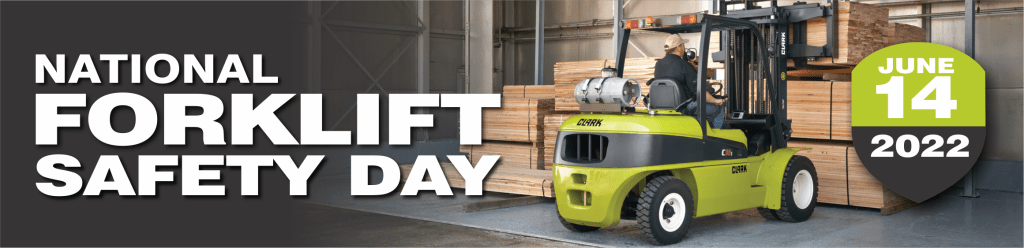
Forklift Safety Day is fast approaching and we want to help raise awareness to help improve safety on, and around the forklifts we operate. Pre-shift inspections have been the law for two decades and besides maintaining compliance, the make great sense in terms of employee safety, productivity and the overall health of your business. Forklift inspections are important for:

  1. Safety: Forklifts are powerful and heavy machinery used to move and lift heavy loads. Regular inspections ensure that forklifts are in safe working condition, minimizing the risk of accidents or injuries to operators and bystanders. Inspections help identify potential hazards, such as faulty brakes, worn-out tires, malfunctioning controls, or hydraulic leaks, which can be addressed before they lead to accidents.
  2. Compliance: Forklift inspections are often required by law and regulatory bodies to ensure compliance with safety standards. In many countries, employers are legally obligated to maintain a safe working environment and regularly inspect their equipment, including forklifts. Adhering to these regulations helps avoid penalties, fines, or legal issues.
  3. Preventive Maintenance: Regular inspections allow for early detection of mechanical issues or wear and tear on various components. Identifying problems in advance enables proactive maintenance and repairs, preventing breakdowns or major failures that could lead to costly repairs, downtime, and interruptions in operations. By addressing minor issues promptly, more significant and costly problems can be avoided.
  4. Equipment Longevity: Forklifts are a significant investment for businesses, and proper maintenance can extend their lifespan. Regular inspections help identify areas that require attention, such as lubrication, filter replacement, or component adjustments. By keeping the forklift in good working condition, its overall longevity is increased, reducing the need for premature replacements and saving costs in the long run.
  5. Operator Confidence: Consistently inspecting and maintaining forklifts boosts operator confidence. When operators know that the equipment they are using is well-maintained and safe, they can perform their tasks more efficiently and with peace of mind. This can lead to improved productivity, reduced operator errors, and increased overall operational effectiveness.

Overall, forklift inspections are vital for ensuring the safety of operators and those around them, maintaining compliance with regulations, preventing accidents and breakdowns, extending equipment life, and optimizing productivity in the workplace. Below is a video that helps walk you through an inspection of your lift trucks.

Our forklift inspection checklists for electric and IC forklifts are also an important tool to help you conduct thorough inspections of your lift trucks. These were developed with inspection suggestions directly from OSHA. Remember to also inspect any additional equipment you’ve added to the forklift, safety lights and other products, attachments etc…

Download our Electric Forklift Inspection Form

Download our IC Forklift Inspection Form

We believe forklift safety starts with operating a safe forklift. For any questions about service or parts as a result of your inspections, please contact us at 800-322-5438.

Cal-Lift Celebrates Forklift Safety Day 2022

Forklift Safety Day 2022 List of Events

With the past two year’s events being held virtually, it’s exciting to be able to hold Forklift Safety Day 2022 in person, in Washington DC. And while most of us will be unable to attend, below is a list of activities planned to recognize and bring attention to the potential dangers of forklift operation.

Monday, June 13, 2022 (Willard InterContinental Hotel)

  • 3:00 PM – 5:00 PM – Educational Session (open to all ITA Members & Invited Guests) Buchanan Room
    • OSHA Updates
    • Current Congressional Activity Updates
    • Trade/other
      6:00 PM – 7:00 PM – NFSD Reception (Open to all ITA Members & Guests) The Nest Room

Tuesday, June 14,2022

  • 7:30 AM – 8:30 AM – Breakfast (Peacock Lounge at Willard InterContinental Hotel)
  • 9:00 AM – 11:00 AM – NFSD Event/Presentations (National Press Club, Main Ballroom)
  • 11:30 AM – 4:00 PM – Congressional Meetings (Capitol Hil)

CLICK HERE for more information on the event and register at the Industrial Truck Association’s website.

This year’s NFSD Chair is Jonathan Dawley, President & CEO of KION North America.

DC Velocity is the media partner for National Forklift Safety Day 2022. 

What You Can Do to Recognize Forklift Safety Day

Forklift Safety Day is a great opportunity to review your forklift safety program and/or plan. And if you don’t have a program or plan, this would be a great opportunity to create one! 

Start with Training

  • Are all of your forklift operators up-to-date on their training. Remember, forklift operators must receive refresher training every three years, and be evaluated on the equipment that they operate. 
  • How well do you know your operators? Download our Forklift Operator Questionnaire to get to know their experience operating lift equipment.

Inspections and Maintenance

  • We know that pre-shift inspections of all equipment are required by OSHA. But did you know that by taking a few minutes to inspect equipment not only improves safety, it helps you identify small issues before they blossom into giant repair or injury and damage headaches. 
  • Planned Maintenance – This is a great opportunity to review your current PM program. Is it being executed properly according to intervals  you require? Is the Planned Maintenance complete and thorough? A thorough and robust Planned Maintenance program is key to maintaining safety and productivity of your forklifts. Learn more about our Service Department.

For more information on safety, planned maintenance, service or repair of your forklifts, please visit our website at www.cal-lift.com, or give us a call at 800-322-5438.

Forklift Safety is No Accident

We’re here to help you maintain safety in your forklift operations by ensuring all your employees that might operate a forklift, know the limitations and dangers of forklifts AND to ensure they are all operating a peak efficiency and safety. To speak to one of our professional about any aspects of your forklift fleet’s safety or performance, just give us a call at 800-828-2804.

Cut Emissions and Get Credit with LCFS

What is Low Carbon Fuel Standard?
The LCFS is designed to encourage the use of cleaner low-carbon transportation fuels in California, encourage the production of those fuels, and therefore, reduce GHG emissions and decrease petroleum dependence in the transportation sector. The LCFS standards are expressed in terms of the “carbon intensity” (CI) of gasoline and diesel fuel and their respective substitutes.

Learn More About LCFS

We Have Equipment Solutions to Help You Get Credit
Cal-Lift carries a variety of electric powered material handling and transportation equipment that can help
you eliminate emissions in your operation and get credit for doing so. Our electric line-up includes:

  • CLARK Electric Forklifts, Stackers, Reach Trucks, Order Pickers, Task Vehicles and More
  • Kalmar Ottawa Electric Yard Spotters and Terminal Tractors
  • Taylor Machine Works Electric Container Handlers

If you have considered eliminating emissions, now is a great time to convert. To learn more and get a quote, just give us a call at 800-322-5438 to speak with one of our representatives about our electric powered products.

Visit our website to see our line-up of electric forklifts, terminal tractors and container handlers.